✦ REAL WORLD RESEARCH ✦

THE SCIENCE BEHIND WOODSTOCK

AN INDEPENDENT STUDY ON HEMP BEVERAGES BY MOREBETTER

REAL DATA, REAL RESULTS

Woodstock has been studied in two independent trials with MoreBetter, tracking hundreds of participants over 22 days each using validated clinical instruments — the WHO-5 Well-Being Index and the DASS-21. Participants who drank Woodstock were significantly less likely to drink alcohol, reported measurable reductions in anxiety, stress, and depression, and slept better than during their baseline period.

EXPLORE THE DATA BY PRODUCT

Each Woodstock beverage was studied independently and produced its own distinct results. Follow the links below to see the full data for each product.

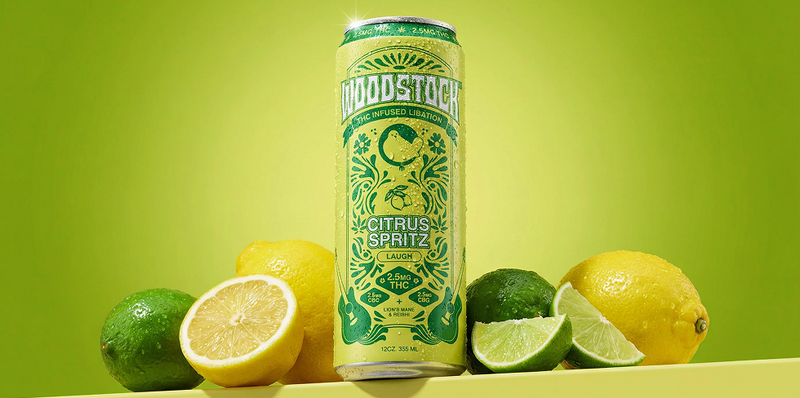
WOODSTOCK CITRUS SPRITZ

7.5 MG

THC

WOODSTOCK CITRUS SPRITZ

44% drop in alcohol consumption probability. 77% of participants drank less alcohol overall. 65% less anxiety. 30 more minutes of sleep per night.

  • 21% Rise in next-day productivity
  • 61% Decrease in alcohol cravings
  • 89% Improved sleep quality
WOODSTOCK CITRUS SPRITZ

7.5 MG

THC

WOODSTOCK CITRUS SPRITZ

44% drop in alcohol consumption probability. 77% of participants drank less alcohol overall. 65% less anxiety. 30 more minutes of sleep per night.

  • 21% Rise in next-day productivity
  • 61% Decrease in alcohol cravings
  • 89% Improved sleep quality
WOODSTOCK CITRUS SPRITZ

7.5 MG

THC

WOODSTOCK CITRUS SPRITZ

44% drop in alcohol consumption probability. 77% of participants drank less alcohol overall. 65% less anxiety. 30 more minutes of sleep per night.

  • 21% Rise in next-day productivity
  • 61% Decrease in alcohol cravings
  • 89% Improved sleep quality
WOODSTOCK CITRUS SPRITZ

7.5 MG

THC

WOODSTOCK CITRUS SPRITZ

44% drop in alcohol consumption probability. 77% of participants drank less alcohol overall. 65% less anxiety. 30 more minutes of sleep per night.

  • 21% Rise in next-day productivity
  • 61% Decrease in alcohol cravings
  • 89% Improved sleep quality

What Is MoreBetter?

MoreBetter is a real-world evidence research platform that partners with brands and research institutions to track how consumer products affect daily health outcomes.

Their methodology captures what clinical trials can't: how people actually use products in their real lives, at their own pace, without being told what to do.

Each study followed the same design: 7 days of baseline reporting, then 14 days using a Woodstock beverage...

7
DAYS BASELINE
+
14
DAYS PRODUCT USE
=
21 DAYS

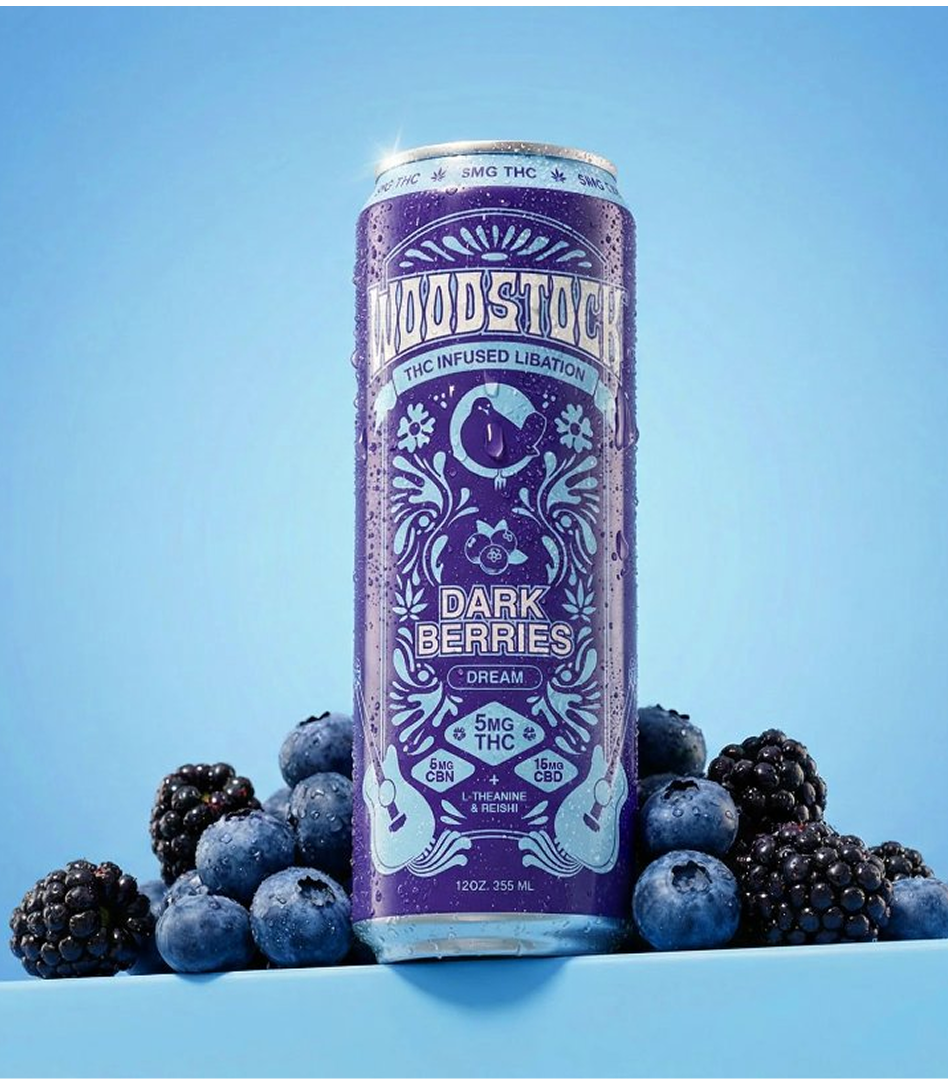
Study One Woodstock Dark Berries

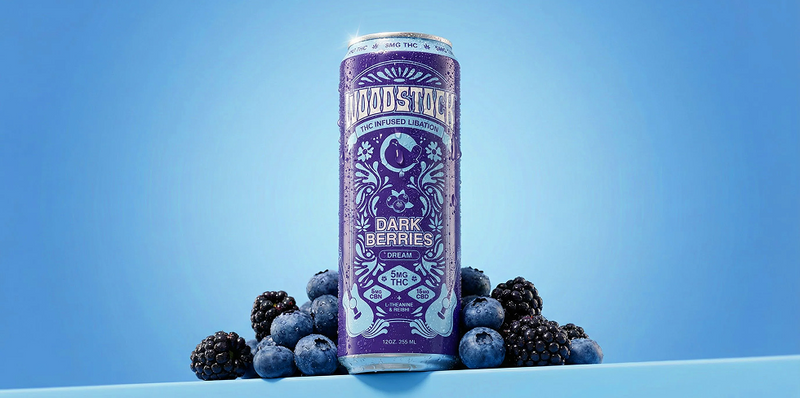
MoreBetter's first Woodstock study focused exclusively on Dark Berries and was conducted in 2025. 125 participants enrolled. The study tracked quality of life, mood, sleep, stress, and alcohol consumption habits over 22 days.
See the full Dark Berries data →
Study One Woodstock Dark Berries
Woodstock study beverages

STUDY TWO
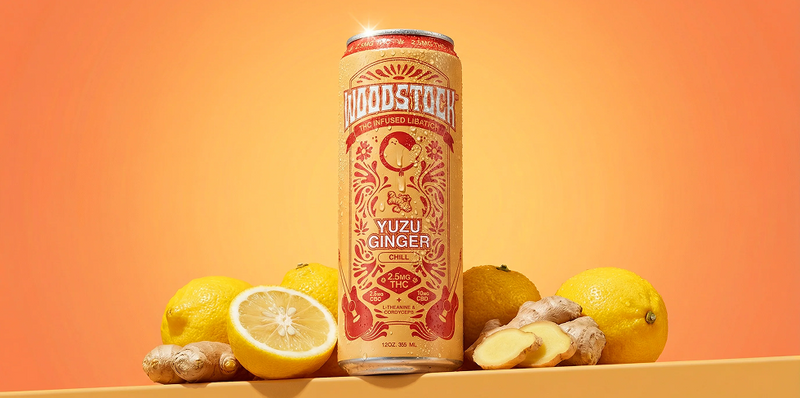
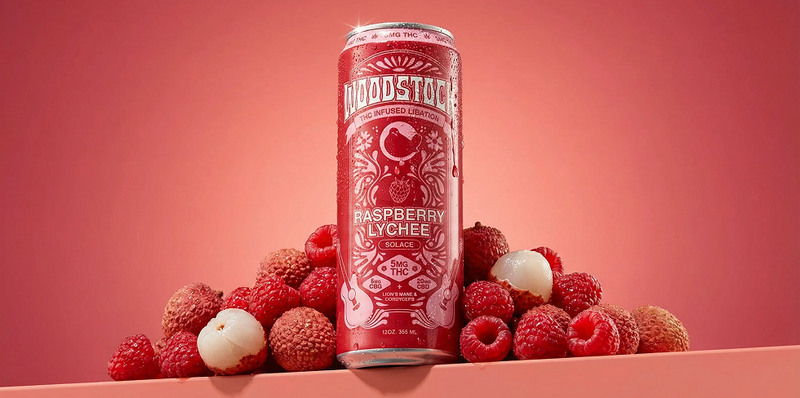
CITRUS SPRITZ, YUZU GINGER, AND RASPBERRY LYCHEE

MoreBetter's second Woodstock study — part of a broader Infused Beverage Study spanning nearly 5,000 participants across two cohorts — focused on three additional flavors: Citrus Spritz, Yuzu Ginger, and Raspberry Lychee.

Each product was studied independently and produced its own distinct results.

Findings from this study were presented publicly at a webinar co-hosted by MoreBetter and the Network of Applied Pharmacognosy (NAP)...

WOODSTOCK'S RESULTS

Across both MoreBetter studies, Woodstock participants reported a 44–47% reduction in alcohol consumption probability on product-use days, up to 77% reported drinking less alcohol overall, anxiety fell 27–63% depending on the product, sleep improved by 19–30 minutes per night, and next-day productivity increased by up to 27.6%.

METRIC RESULT
Alcohol consumption probability (product-use days) ↓ 44–47% depending on product
Participants reporting less alcohol overall Up to 77%
Anxiety reduction (DASS-21) ↓ 27–63% depending on product
Sleep improvement +19–30 min/night
Next-day productivity boost Up to +27.6%
Study duration 22 days per product
Total participants ~5,000 across two cohorts
Study platform MoreBetter / Network of Applied Pharmacognosy

Frequently Asked Questions

What is real-world evidence research?

Real-world evidence research tracks how products affect daily outcomes among people using them naturally — not in a controlled lab setting. It captures behavioral and self-reported data over time, making it more representative of how products actually perform in everyday life than single-session clinical trials.

Were Woodstock participants told how much to drink?

No. Both studies were non-interventional. Participants used the products at whatever frequency felt natural during the 14-day product-use phase. The results reflect organic behavior, not prescribed dosing.

What validated instruments were used to measure outcomes?

Both studies used validated clinical instruments: the WHO-5 Well-Being Index (overall wellbeing) and the DASS-21 (depression, anxiety, and stress). Both are widely used in academic and clinical research worldwide.

Are these clinical health claims?

No. All results use participant-reported attribution and reflect behavioral and self-reported outcomes. This is not clinical treatment data. Individual results may vary.

Where were the results from the second study presented?

Findings were presented publicly at the NAP × MoreBetter webinar "Cannabis vs. Alcohol: Real-World Data from MoreBetter's Infused Beverage Study" in June 2026.

Data cited on this page comes from MoreBetter’s Dark Berries Quality of Life & Alcohol Consumption/Desire Data Report (June 2025) and MoreBetter’s Infused Beverage Study, Cohorts 1 and 2, conducted in partnership with the Network of Applied Pharmacognosy. All claims use participant-reported attribution. Results reflect behavioral and self-reported outcomes, not clinical treatment.

Last Updated: Data as of June 2026

WHO ARE THE RESEARCHERS BEHIND THE WEBINAR?

Dr. Miyabe Shields, PhD and Dr. Riley Kirk, PhD are the co-founders of the Network of Applied Pharmacognosy, a 501(c)(3) nonprofit research organization. Both are academically trained pharmaceutical scientists with backgrounds in drug discovery, the endocannabinoid system, and natural products chemistry. NAP partnered with MoreBetter to present findings from the second study at a public webinar in June 2026, contextualizing the beverage data within the broader science of cannabis pharmacology and alcohol substitution.